

The Story Behind the Materials: HMDD’s Perspective on the Materials It Picks
Within the streetwear scene, HMDD, the label has carved out a reputation by handling textile decisions as part of the brand’s storytelling, rather than an afterthought buried in a size guide — standing in for “Happy Memories Don’t Die.” HMDD presents its garments as sentimental items you put on, and this positioning only works if the textiles read as something worth holding onto. If the material genuinely lives up to the sentimental heft of the label’s identity, or if it’s merely another logo-heavy release coasting on nostalgic appeal — that’s the question shoppers looking up an hmdd review frequently arrive at. For anyone deciding whether to buy in 2026, this article examines what HMDD signals about its materials and how such choices show up in specific categories like hmdd sweatpants and hmdd shorts.
The material in a design is something a customer cannot fully judge through a listing image. Hue, silhouette, and pattern register at a glance; density, hang, and a blend’s durability through many wash cycles remain unseen. HMDD’s messaging leans on transparency here — item descriptions and company messaging routinely stress material content, stitching detail, and the planned texture of each design. This strategy carries greater weight in 2026 than it did five years back, since shoppers are more literate about textiles and far less inclined to take fuzzy phrasing such as “premium quality” at face value without a backing figure or spec.
Why Material Dialogue Emerged As A Core Part of HMDD’s Brand Identity
By design, the words “happy memories don’t die” is sentimental, and heart-tugging brand messaging draws scrutiny. If a hoodie is meant to feel like a memory you can hold onto, it has to survive the demands of actual daily living — washing machines, everyday use, seasonal transitions. HMDD’s response to that pressure has been to speak candidly on what goes into each https://hmddoutlet.net/shorts-sweatpants/ piece, rather than leave shoppers to speculate. Such transparency is a purposeful positioning choice: fans of streetwear have grown wary of brands that rely solely on graphics and drop scarcity while saying little about construction.
The numbers back up that skepticism. Sector studies on fashion shopping patterns reliably indicate that a substantial chunk of digital consumers — frequently reported to exceed 60% — read the materials section ahead of completing their order, particularly with sweatshirts and outer layers positioned above introductory-price items. HMDDLA’s catalog, which includes hoodies, tees, sweatpants, and shorts, sits in a price tier where customers anticipate that data should be present and precise. At that price level, withholding material details reads as a red flag, while clear detail reads as confidence.
Beyond that, there’s a down-to-earth customer-loyalty angle as well. A one-time hmdd clothing buyer who is disappointed with the fabric is unlikely to come back as a repeat purchaser—no matter how strong the emotional branding is. Material quality is what converts a one-time purchase driven by aesthetic into a loyalty purchase driven by trust. That’s likely why the brand’s product descriptions repeatedly return to fabric weight, blend ratios, and finishing details rather than treating them as fine print.
Sweatpants as well as Shorts: The Place Where Material Selection Becomes Most Apparent
Sweatpants and shorts are unforgiving categories for fabric mistakes. A hoodie can hide a slightly stiff fabric under looser styling, but sweatpants sit against the skin for hours and shorts see far more movement and friction. HMDD sweatpants are positioned in the brand’s lineup as an everyday-comfort item, which puts direct pressure on the fleece or blend used inside them to perform in three ways: softness against skin, retention of shape after repeated wear, and breathability during warmer months.
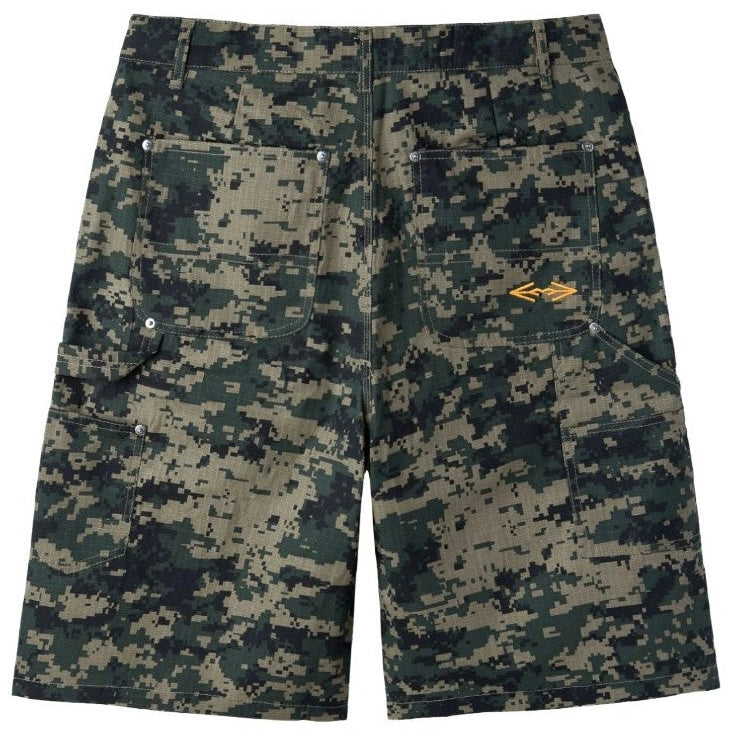
HMDD shorts serve a slightly distinct purpose — their construction favors lighter-weight, higher-mobility wear, and the brand’s descriptions of these pieces lean toward stressing a a softer, easier feel and less bulk relative to the sweatpants line. This difference has real practical weight: someone shopping to layer during colder months will want the sweatpants’ sturdier build, while a shopper stocking up for warmer-season wear is better matched to the shorts’ lighter construction. The brand’s own product copy generally reflects this split rather than suggesting the two lines can be swapped freely.
Fit and fabric influence one another more than people expect. A cotton-heavy blend with minimal stretch will drape differently than a version that includes elastane, and the sizing notes HMDD provides next to its material descriptions are meant to help shoppers anticipate that effect before they make a purchase. Here, looking closely at the individual product page pays off more than skimming a broad brand overview, since the blend composition can vary between releases and seasonal collections.
What “Best HMDD Clothing” Genuinely Means to Shoppers
Searches for the best hmdd clothing more often than not aren’t really asking which individual product is objectively superior — they’re asking which pieces deliver the most reliable value for the amount spent, based on fabric performance over time. That proves to be a sensible way to look at it, because value in apparel is essentially a proportion: cost divided by the number of quality wears you get before the piece loses its color, stretches out, or develops pilling.
Cotton-heavy fleece, once correctly processed, resists pilling better than lower-cost poly-cotton blends cut with lower-grade fibers. Labels that disclose their fabric ratio — say, a majority cotton percentage against a minority synthetic for shape retention — are handing customers the tools to estimate that durability themselves. The way HMDD names fabric details on product pages, instead of leaning solely on lifestyle imagery, fits this more transparent model of streetwear retail that’s become standard practice by 2026.
Consistency of fit throughout a size range is a further subtle indicator of a well-made line. When a buyer picks up a medium hoodie and a medium sweatpant and both keep fitting properly through repeated washes, that’s the reward of consistent fabric sourcing showing itself. Inconsistent sourcing — where a given batch drifts slightly from the blend used before it — is a recurring complaint in any streetwear review, and it’s exactly the sort of flaw attentive fabric documentation is meant to prevent.
Comparing Fabric Priorities Across HMDD’s Core Categories
Different garment types demand different things from a fabric, and HMDD’s lineup reflects that rather than using one blend across everything. The chart underneath breaks down how HMDD’s declared priorities generally differ by category, based on its own product messaging.
| Garment Category | Primary Fabric Priority | Usual Wear Scenario | Main Shopper Concern |
|---|---|---|---|
| Hoodies | Heft and heat retention | Winter layering wear | Post-wash shrinkage |
| HMDD Sweatpants | Softness and shape retention | Daily comfort wear | Long-term stretch retention in waistband and cuffs |
| HMDD Shorts | Ventilation and minimized bulkiness | Warm-weather, high-mobility wear | The balance between lightness and durability |
| Tees | Hand-feel and drape | Standard base-layer wear | Colorfastness after repeated washing |
This sort of category-specific approach is a more convincing signal of a earnest clothing brand than a single blanket claim of “high quality fabric” applied to every product page. It suggests the team behind the designs is weighing intentional trade-offs rather than settling for whatever textile is most economical to procure at scale.
Reading Between the Lines of an HMDD Review
Most reviews of HMDD circle back to two things: does the emotionally charged brand identity feel genuine, and does the product physically hold up. Fabric sits at the intersection of both, because a garment that falls apart quickly undermines the “memories don’t die” premise in the plainest, most literal sense. Someone drawn in by that message wants the actual garment to endure, not merely the marketing language to resonate for as long as a single Instagram post lasts.
The heft of the material usually becomes a frequently flagged detail whenever independent reviewers weigh in on hmdd clothing — thicker fleece comes across as quality investment, while lighter cotton mixes get weighed more against price point relative to expectation. That’s a reasonable heuristic, but it’s not the whole picture; finishing quality, stitching density, and colorfastness matter just as much as raw fabric weight, and that nuance tend to surface only in reviews from people who’ve really put the item through repeated wear and wash cycles, not just unboxed it.
If you’re weighing hmdd against other streetwear brands going after that same nostalgic, memory-driven positioning, the real-world test is straightforward: read the specific fabric composition listed for the item you want, not just the brand’s general reputation. The composition of one hoodie says nothing about how the shorts will fare, and a glowing review of one release is no promise that the next drop uses the same sourcing.
Heading Into 2026: What This Means
Clarity around material composition is no longer a bonus feature for streetwear brands working at the scale HMDD does — it’s nearly a minimum requirement among shoppers who’ve previously gotten burned by unclear product descriptions. Brands that specify blend ratios, weight, and category-specific priorities are offering shoppers a more level playing field for comparing products than brands depending only on aesthetics and tagline charm.
Spanning its sweatpants, shorts, hoodies, and tees, HMDD’s sustained focus on material-driven communication indicates the brand understands that its “happy memories don’t die” concept is only convincing when the product materially backs the sentiment. In the end, how well the message matches the material is the most valuable thing a would-be buyer can weigh before checking out in 2026.